
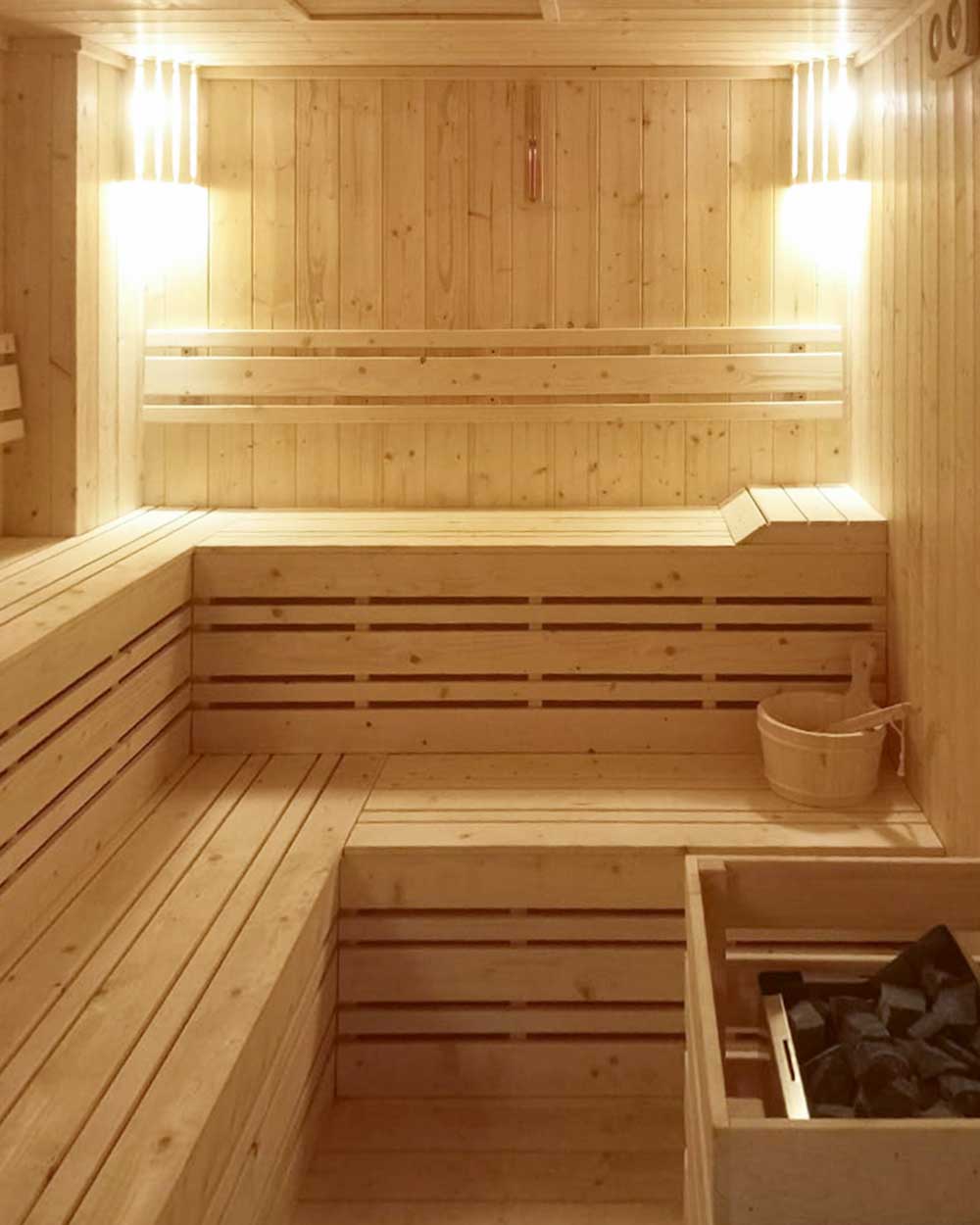
1 / 3
01 / Sauna
Electric Sauna
Reliable Finnish heat at the turn of a dial.
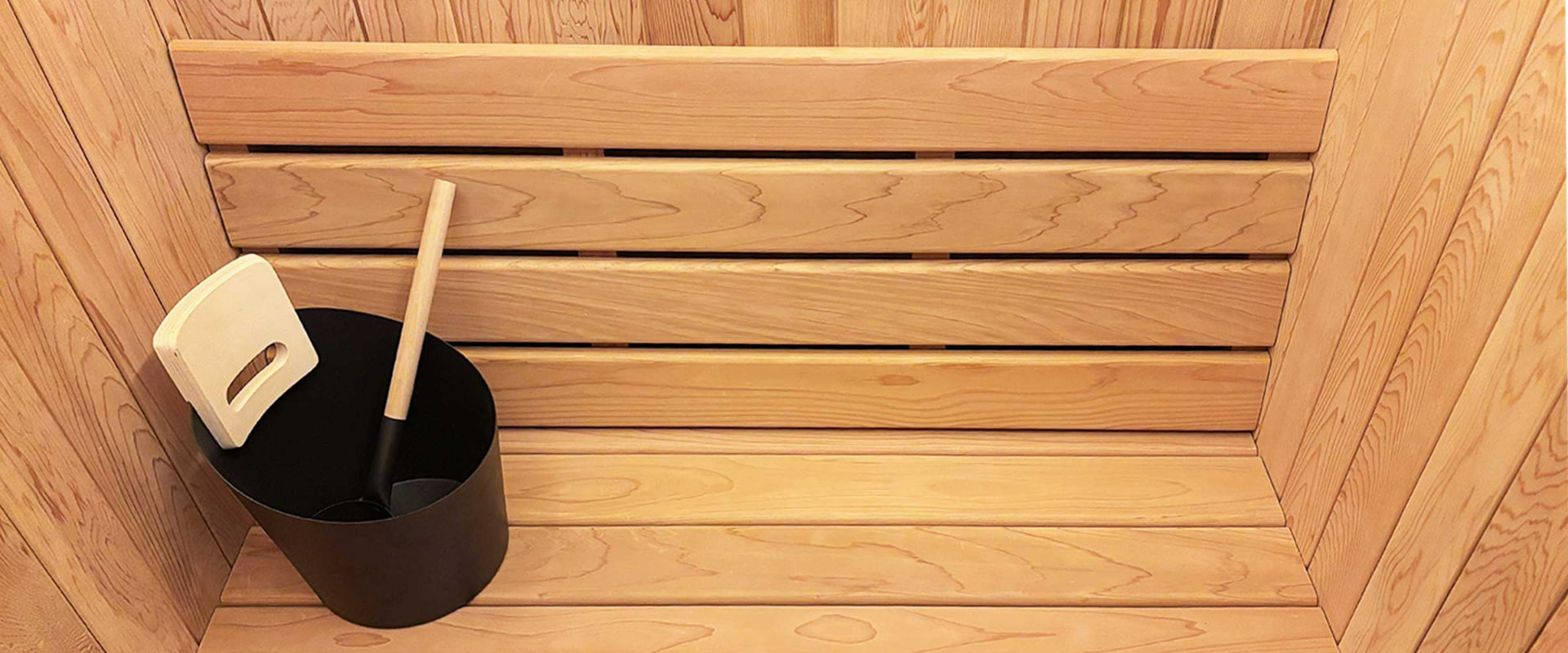
The collection / sauna
Experience the ultimate in luxury and well-being at home. Custom-designed sauna rooms, crafted to fit your space perfectly.
Sauna spaces / 01
Explore a few starting points. Details, dimensions, and imagery will be added as the collection takes shape.
Reliable Finnish heat at the turn of a dial.
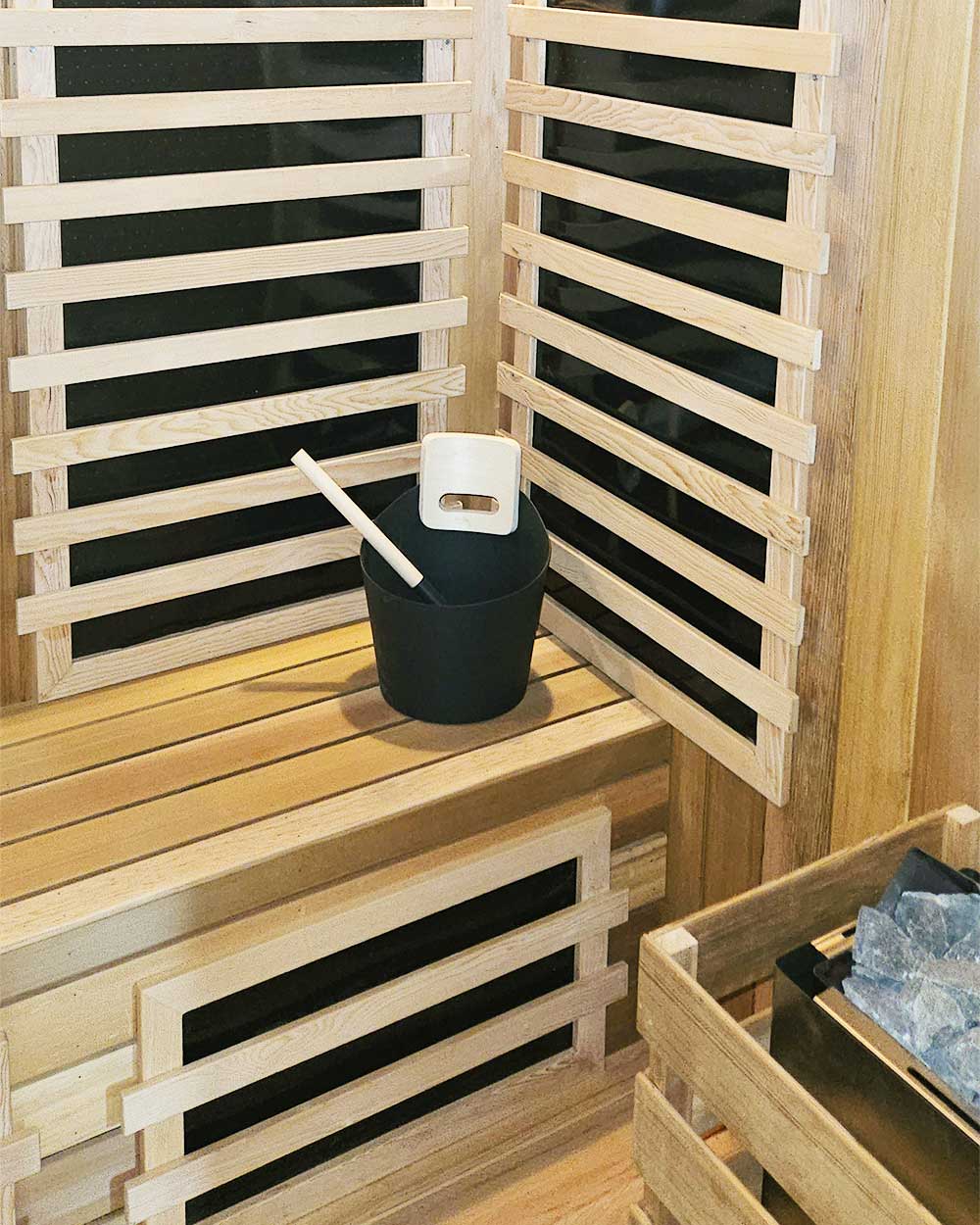
Gentle radiant warmth at lower temperatures.
Wood, stone, fire — the original ritual.
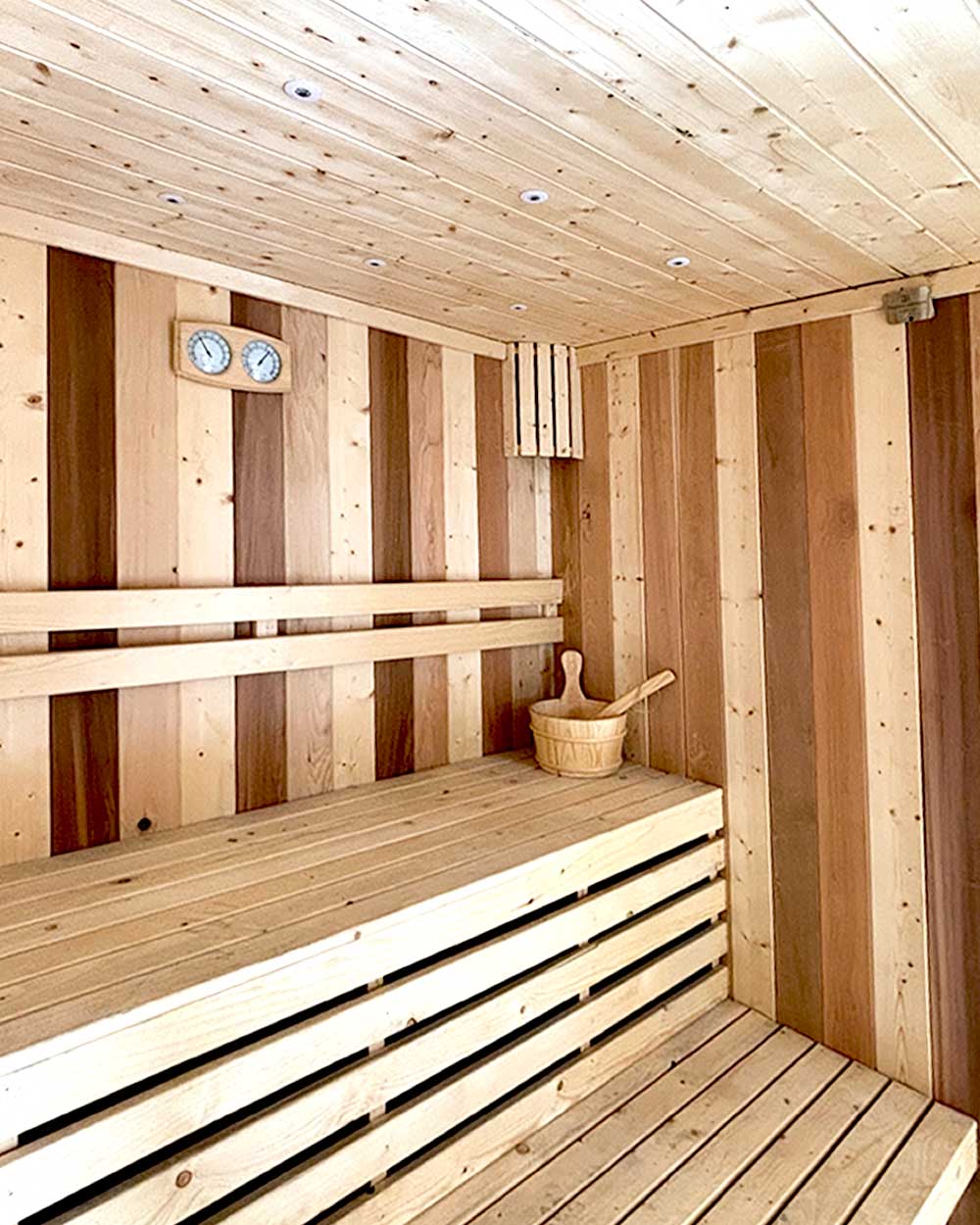
Built precisely around your room.
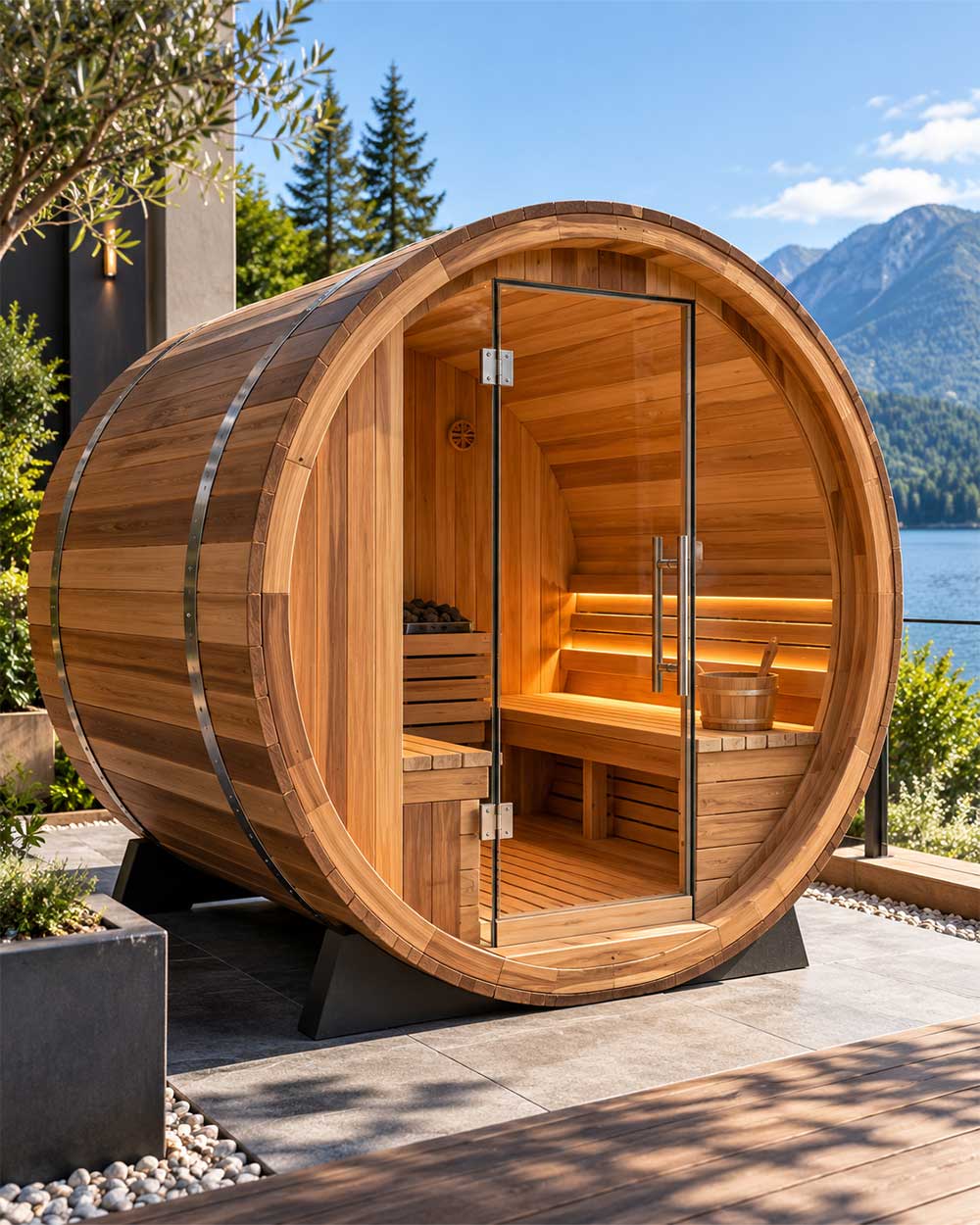
A rounded outdoor retreat with efficient heat.
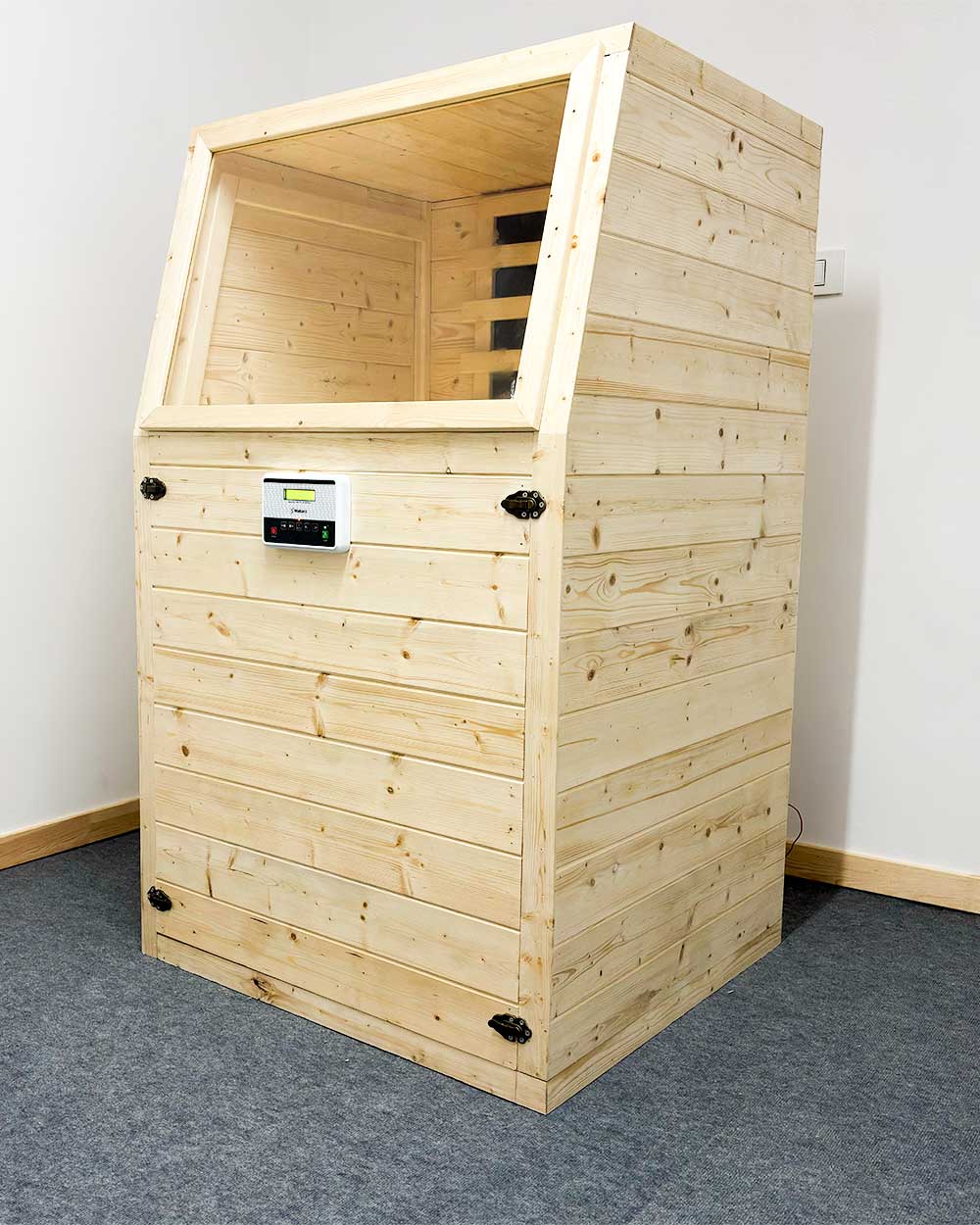
Heat that folds away when you are done.
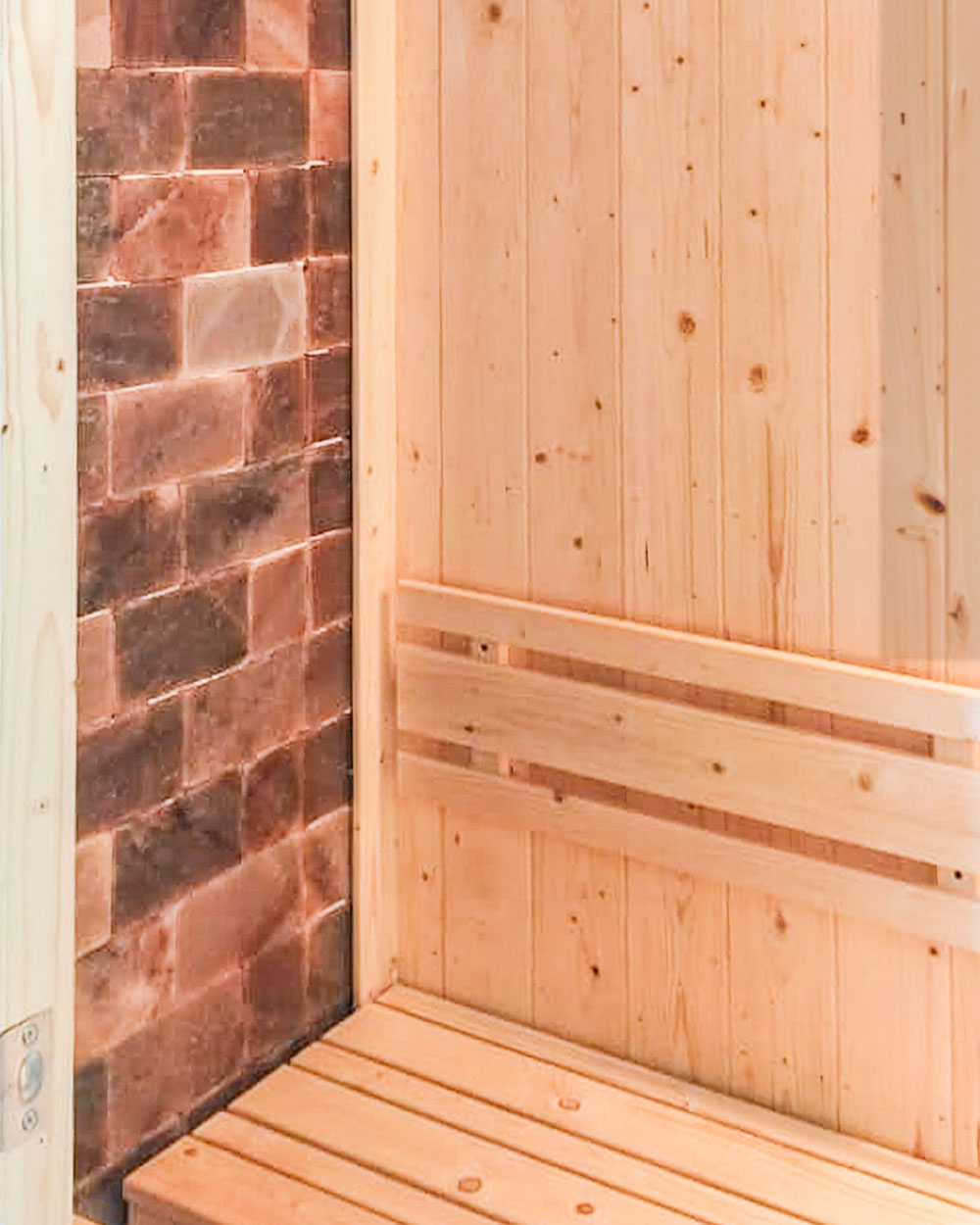
Warmth combined with a mineral-rich atmosphere.
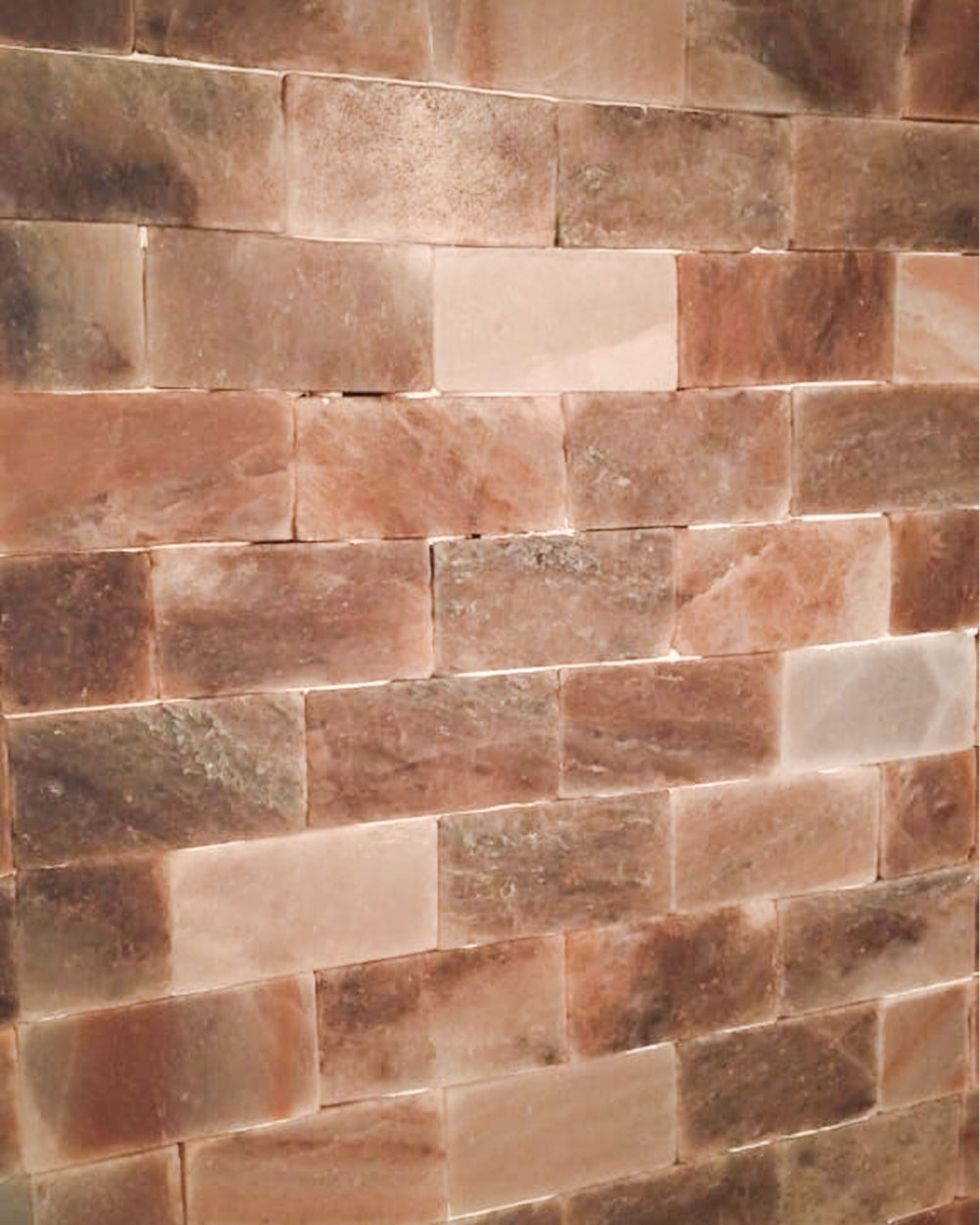
A glowing Himalayan salt feature for any room.
Before you begin / 02
Think about available space and how often you will use it.
Consider heat, materials, and the atmosphere you want to create.
Plan for power, ventilation, water, and future service access.
01
A sauna bath is a traditional form of relaxation and therapeutic treatment that has been enjoyed for centuries. Originating in the Finnish culture, a sauna bath is a dry heat room that is designed to promote physical and mental wellness. By exposing the body to high temperatures, a sauna bath can stimulate sweating, improve circulation, and boost the immune system. The heat in a sauna bath is generated by a wood-fired stove, electric heater, or infrared technology, and the temperature is usually kept between 70 and 100 degrees Celsius. Participants typically spend 15 to 30 minutes in a sauna bath, relaxing on a wooden bench and pouring water on hot stones to create steam.
In addition to its physical benefits, a sauna bath is also a space for quiet reflection and mental renewal, helping to relieve stress and improve overall well-being. Whether enjoyed alone or with friends and family, a sauna bath is a unique and invigorating way to improve health and wellness.
Benefits of spending time in a sauna bath range from relieving common cold symptoms to aiding in medical conditions like chronic fatigue, rheumatoid arthritis, musculature pain, cardiovascular, and even various skin conditions. Sauna sessions can also improve performance in endurance sport. Saunas are widely used by athletes to relax their muscles after a warm workout.
Hamam Solutions products are crafted with a high-quality material, which is durable & cool to touch, resistant to distortion & shrinking, discoloration, and corrosion. Our sauna rooms can be customized to suit your place, price, and taste.
Get Quotes Now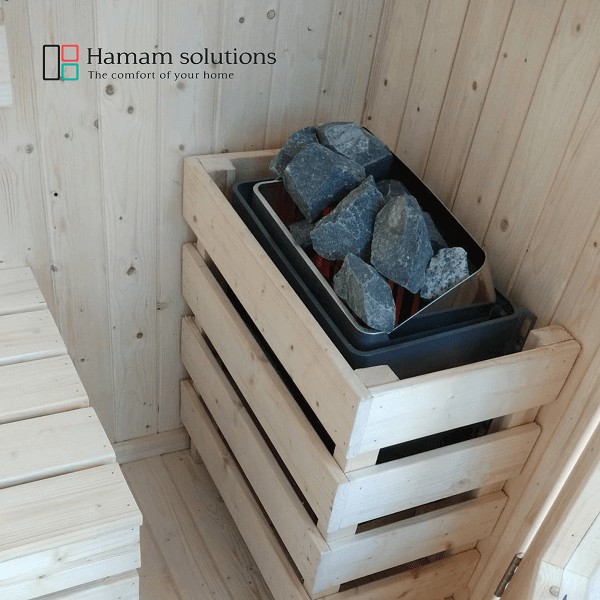
02
Dry or wet sauna: when water applies to hot rocks, it’s called a wet sauna. A wet sauna experience is simply when you pour water over the heater’s lava rocks, thus producing steam. A dry sauna is the absence of any humidity. A sauna bath use can raise the skin temperature to roughly 40° Celsius or 104° Fahrenheit.
Traditional saunas usually use dry heat, with a relative humidity that is often between 10 and 20 percent.
In other sauna bath types, the moisture is higher. Turkish-style saunas, for example, involve a greater level of humidity. As the skin temperature rises, heavy sweating also occurs. The heart rate rises as the body attempts to keep cool. It is not uncommon to lose about a pint of sweat while spending a short time in a sauna.
A prospective cohort study
During a median follow-up of 14.9 years, 155 incident stroke events were recorded. Compared with participants who had one sauna bathing session per week, the age- and sex-adjusted HR (95% CI) for stroke was 0.39 (0.18–0.83) for participants who had 4–7 sauna sessions per week. After further adjustment for established cardiovascular risk factors and other potential confounders, the corresponding HR (95% CI) was 0.39 (0.18–0.84) and this remained persistent on additional adjustment for physical activity and socioeconomic status at 0.38 (0.18–0.81).
Conclusions: This long-term follow-up study shows that middle-aged to elderly men and women who take frequent sauna baths have a substantially reduced risk of new-onset stroke.
Recent projects / 03
Your space starts here